The Bridge Builder
Why promising technology still needs translation before cross-border collaboration can begin.

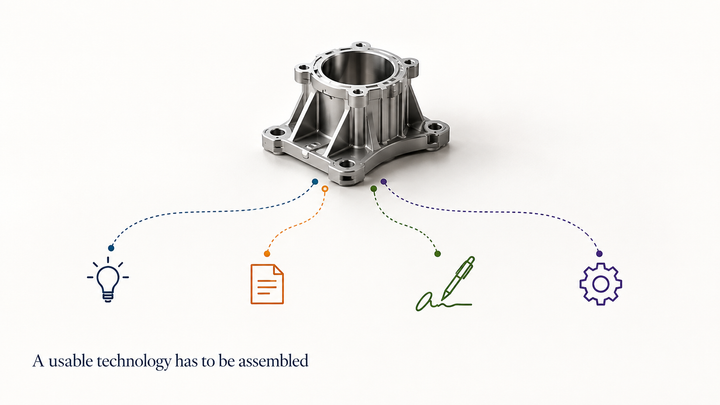
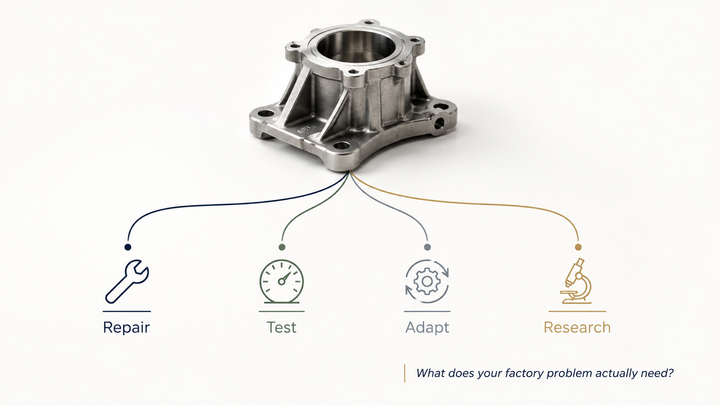
Why Does Good Technology Still Need a Translator?
How K-FAST turns technical capability, industrial demand and institutional expectations into a collaboration-ready structure between Korea and Fraunhofer
Featured Interviewee: Dr. Taeyoung Han · Fraunhofer IKTS / K-FAST
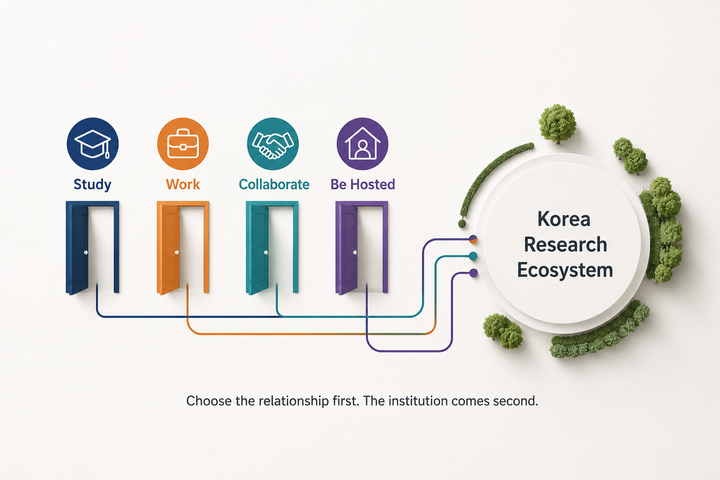
Korea Innovation Bridge explores what allows technology and people to move between Korea’s public research system and the German and European research ecosystem.
It is a map for researchers, companies and institutions trying to understand how the other system actually works.
A good technology has met a seemingly suitable partner.
Why, then, does the collaboration so often fail to move?
Formal documents can explain the structure of cooperation. But they cannot fully show why collaboration moves — or stalls — in practice.
For that, we need the people who work on the bridge.
When Speed and Caution Mean Different Things
The same request for collaboration can be read very differently in Korea and Germany.
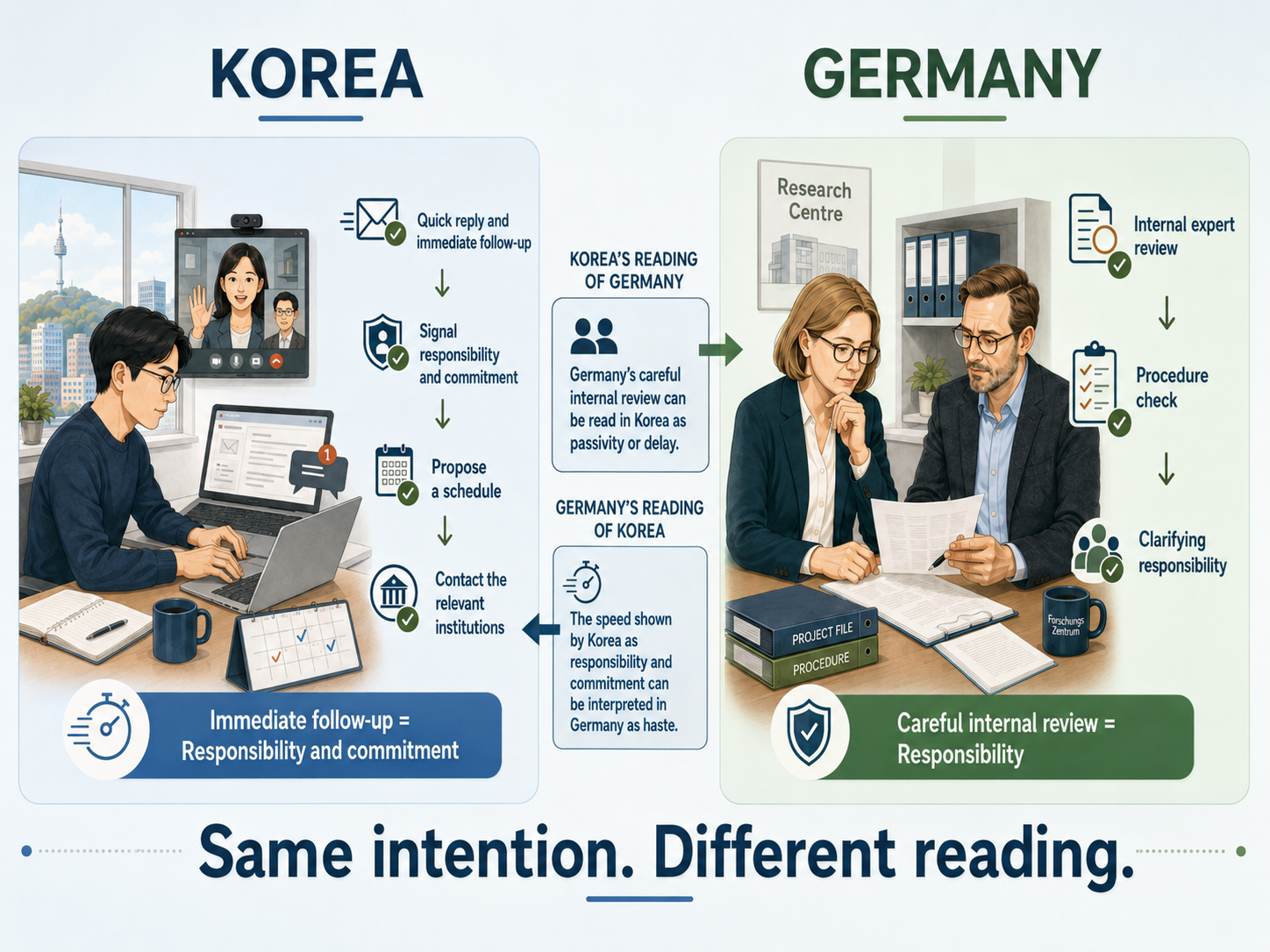
Dr. Taeyoung Han, who has worked in both Korean industry and German research, has watched this pattern repeat for years.
"In my early years in Germany, I also thought the difficulties of collaboration were mainly a matter of language or culture. But I kept encountering the same scene: the rapid response that is read in Korea as a sign of responsibility is interpreted in Germany as pushing procedures forward without sufficient review, while the careful deliberation that Germany regards as responsible behaviour is read in Korea as passivity or delay."
Even when the words are clear, the institutional logic behind them may not be. The two sides can differ on the order of review, where decision-making authority sits, and even on when a project has actually begun.
Dr. Han’s conclusion is not that one side is right and the other wrong.
“I came to understand that the problem lies not in either side’s attitude or will, but in the way two different systems define speed, responsibility and success.”
INTERVIEWEE
Dr. Taeyoung Han
Fraunhofer IKTS · Managing Director, K-FAST
Korean industry → German applied research → international technology cooperation
Read full profile
Close profile
The role Dr. Han describes is therefore broader than interpretation or personal introduction.
In his book The Collaboration Equation (『협력 방정식』), he calls it being an Interfacialist: someone who does not stop at introducing people to each other, but designs the “structure in between” so that collaboration can actually work across different organisations and institutions.
“What is needed is not a simple interpreter, but someone who can explain why the other side judges the way it does, and align different standards into a single structure for action.”
Translation, in this sense, is not about changing words.
It is about making the assumptions behind each side’s judgement, decision-making authority and criteria for moving forward understandable within one shared structure.
Why Isn’t Good Technology Enough?
A request that reached Dr. Taeyoung Han from a Korean startup sounded simple.
The company had a promising technology and wanted to find a German research institute to work with.
Its initial material explained the technology’s features and advantages. But a European research institution still lacked some of the information needed to judge whether a collaboration could actually begin.
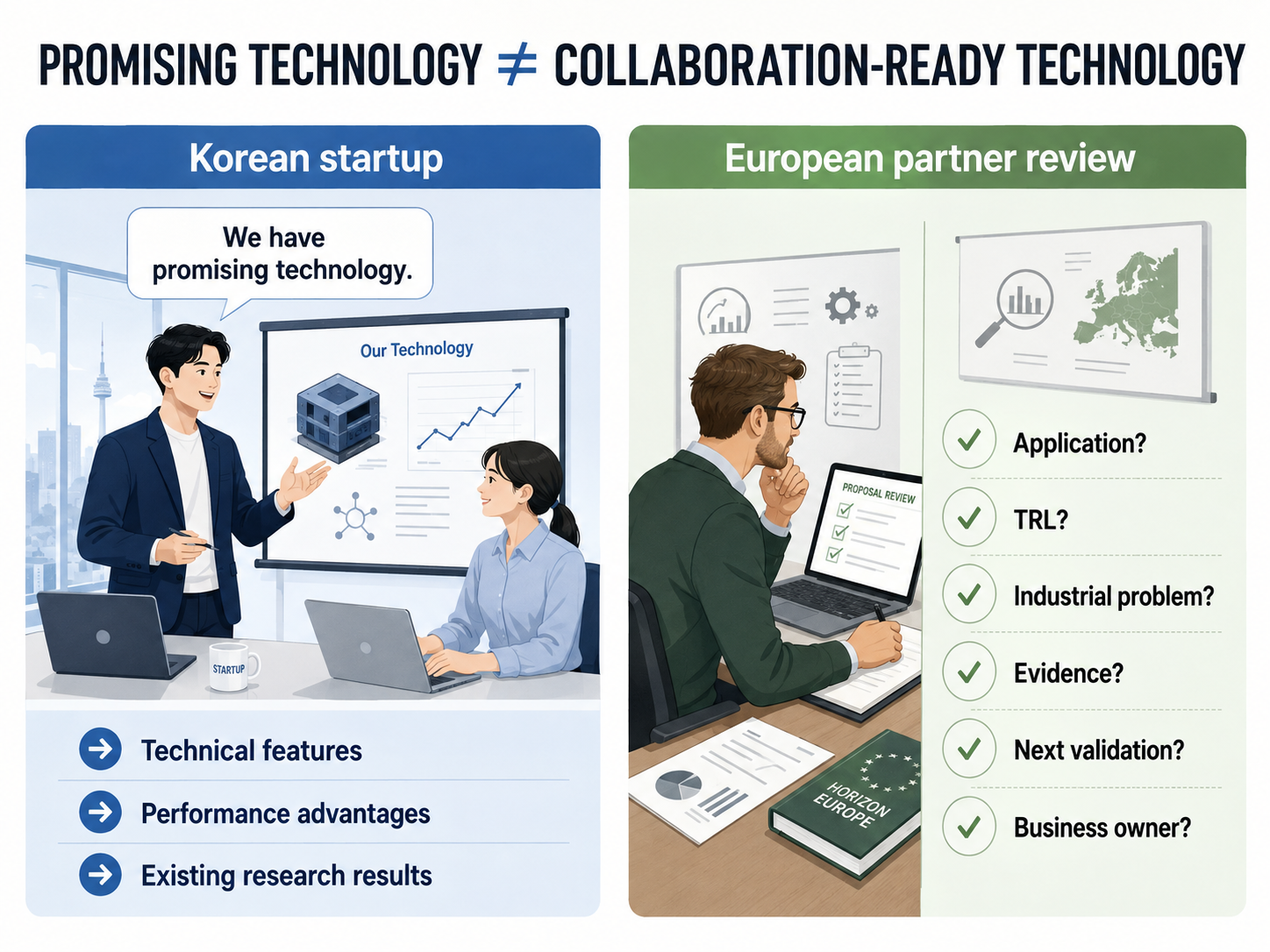
“The technology itself was interesting. But the things a European partner needs in order to judge it — the target application, the current technology readiness level, the industrial problem to be solved, the validation conditions and the future business owner — were not sufficiently explained.”
In such a case, sending the same technical material to more Fraunhofer institutes would not necessarily solve the problem.
Several institutes may work on similar technical keywords. But the right partner is the one that can review the technology in the relevant industrial environment and help produce the evidence needed for the next stage.
So Dr. Han began not with introductions, but with restructuring the request.
Together with the Korean side, he reframed the technology around a concrete industrial context: what problem it could address in Europe, what had already been demonstrated, what still needed to be tested, and what role each side could realistically take.
Only then did the search move into the Fraunhofer network — looking not simply for keyword matches, but for the equipment, data, expertise, industrial connections and follow-up validation capability the project would actually require.
“The fact that a technology is promising and the fact that it is ready for collaboration are not the same thing.”
This does not mean that Korean technology must arrive in Europe already fully validated.
For an early-stage startup or research team, that would often be unrealistic.
The more useful distinction is simpler:
What has already been confirmed — and what must the next project prove together?
That is the point at which promising technology begins to become collaboration-ready.
What Should Be Prepared — and What Must Be Tested Together?
Being collaboration-ready does not mean arriving in Europe with every question already answered.
It means knowing which questions should be answered before approaching a partner — and which ones can only be resolved with that partner.
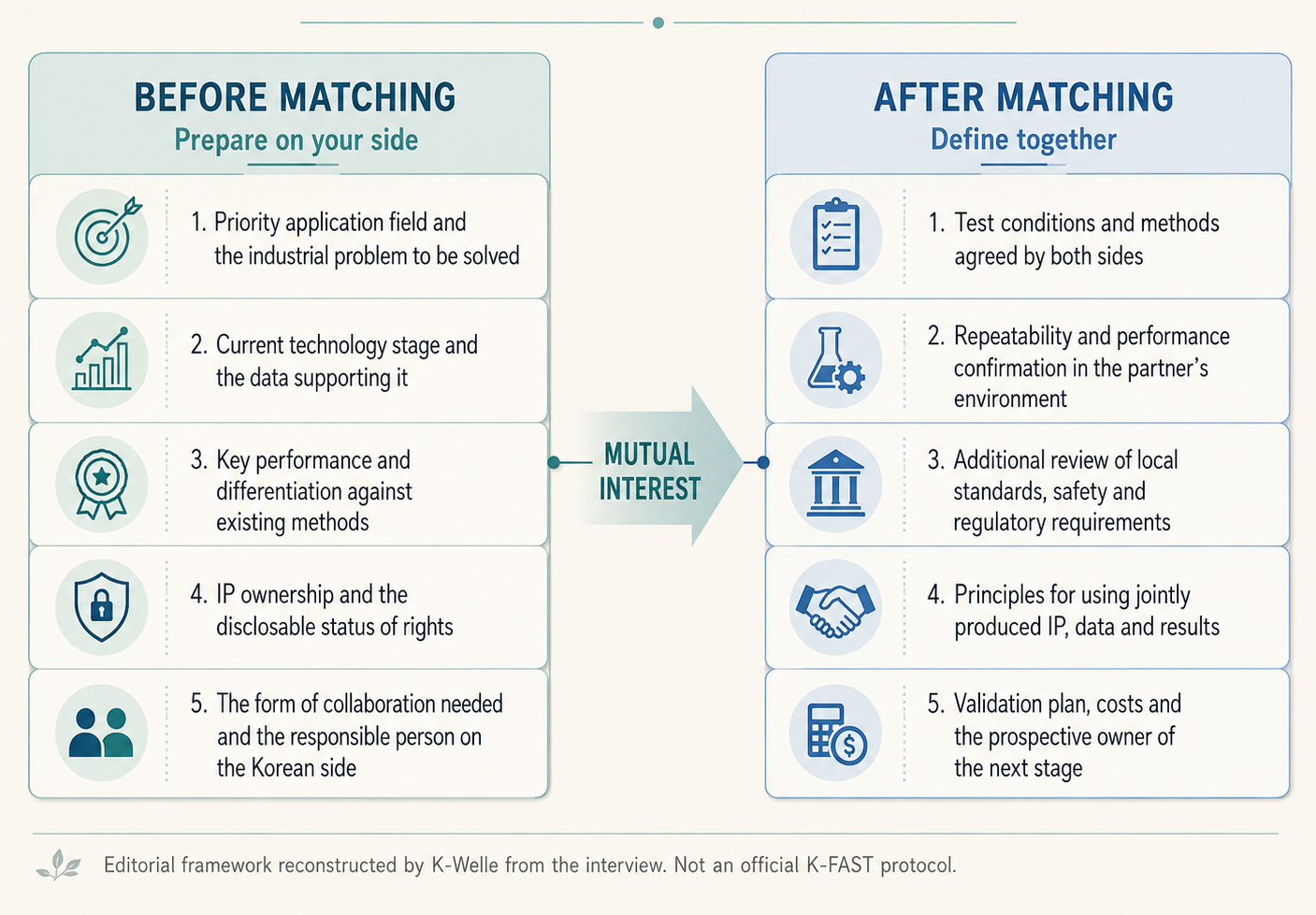
The distinction matters because neither side should be asked to answer the other side’s questions alone.
A Korean startup cannot reasonably complete every European validation before it has a European partner. At the same time, a German institute cannot judge a collaboration if the application, evidence, ownership and intended next step remain unclear.
Dr. Han puts the issue more simply:
“What a European partner needs is not more information, but structured information — the kind needed for judgement and execution.”
The first objective, then, is not a finished European market validation.
It is to reach a point where a suitable partner can begin a feasibility review and both sides can define the remaining questions together.
That is the collaboration-ready state.
Europe Also Institutionalises Translation
This kind of structuring is not unique to Korea–Germany cooperation.
European cross-border research also relies on mechanisms that make roles, rights, responsibilities and decision-making explicit. In multi-institution collaborations, agreements define who contributes what, how background knowledge and results are handled, and how access and use are governed. Fraunhofer collaboration can likewise begin with preliminary analysis or feasibility work before a larger R&D project is launched.
In other words, Europe also converts different expectations into shared documents, preliminary reviews and project structures.
K-FAST works one step earlier: at the interface where Korean technology demand must first become understandable within Fraunhofer’s review system.
What Does Translation Actually Change?
When a Korean institution or company brings a technology demand to K-FAST, the process does not begin with a name.
It begins with a question:What exactly needs to become understandable before the right partner can be identified?
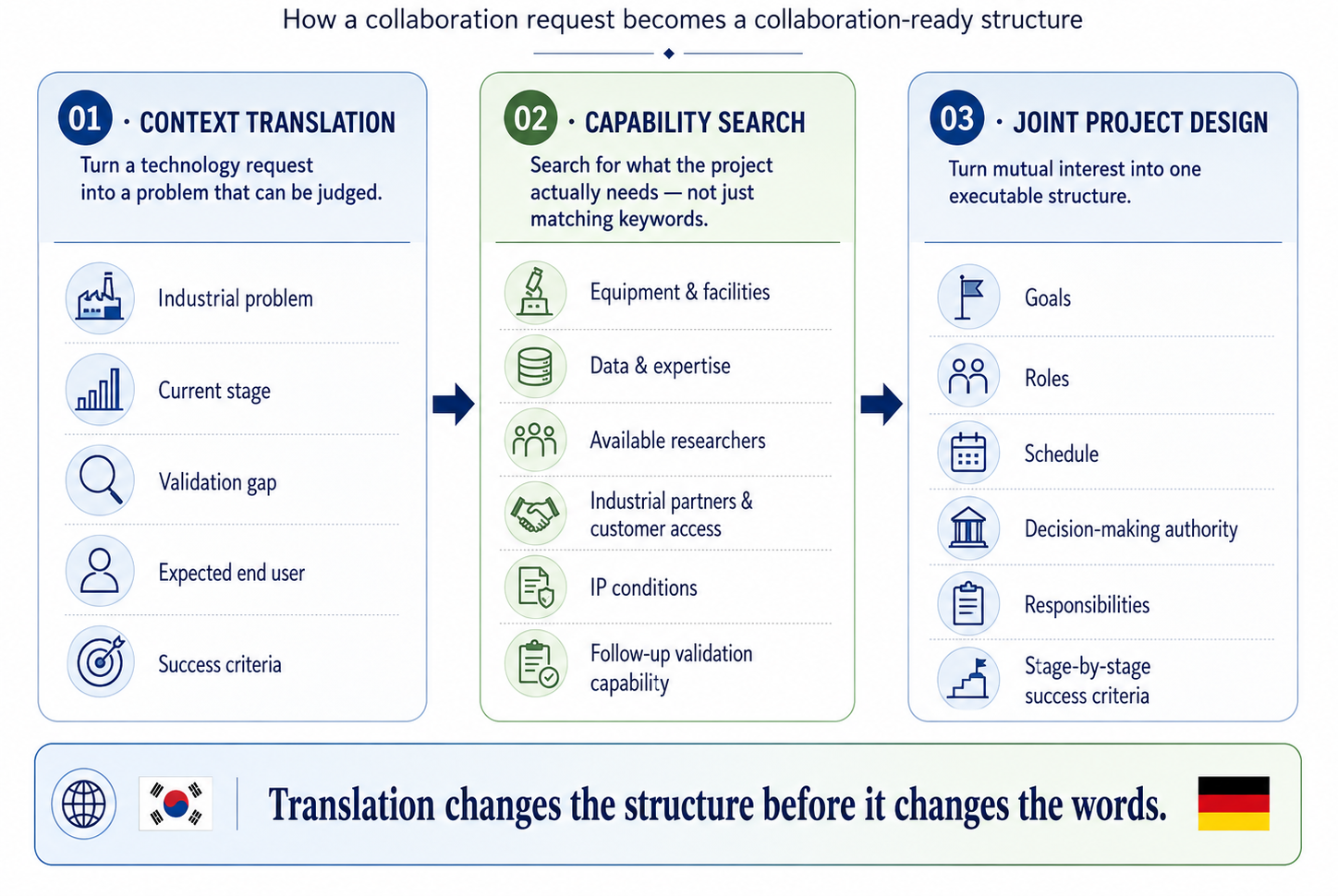
The difference is important.
A keyword match can identify an institute working in a similar technical field. It does not tell you whether that institute has the right equipment, personnel, industrial relationships, available capacity or follow-up validation capability for the specific project. Translation therefore changes the unit of search.
“One side may believe a project has begun once a partner has been introduced, while the other side considers that only an internal review has started. If this difference is not clearly adjusted at the beginning, the technology may be matched successfully and the collaboration will still fail to move to the next stage.”
This is why Dr. Han’s idea of translation goes beyond communication.
It creates a structure in which uncertainty can be discussed before it becomes friction — and in which both sides can eventually agree on goals, roles, schedules, responsibilities and criteria for success.
Does Cooperation Begin with Technology or a Problem?
Dr. Han does not treat this as an either-or choice.
“Excellent technology alone is not enough, and presenting an industrial problem alone does not create research collaboration by itself. The projects that work best start at the point where proven technical capability meets a clearly defined industrial problem.”
For industrial collaboration, the more useful starting question is therefore not:
“Whose technology are we transferring?”
but: “Whose problem are we solving — and what can each side contribute to solving it?”
That distinction also prevents the Korea–Germany relationship from being presented as one-directional.
Korean technology can be tested in European processes. German materials, equipment or process technologies can be applied in Korean production environments. Both sides can also combine research capability and industrial data to develop something new together.
The starting point is not which country supplies the technology and which country evaluates it.
It is the problem both sides have agreed to solve.
What K-FAST Coordinates — and What Still Needs an Owner
K-FAST can help a collaboration move.
But it cannot replace the institutions and companies that must ultimately make the technical, financial and business decisions.
Its role is to make the path between those decisions clearer.
COLLABORATION PLATFORM
K-FAST
Korea–Fraunhofer Collaboration Platform
Technology demand → capability search → expectation translation → collaboration design
About K-FAST
Close
K-FAST specifies technology demand, identifies suitable research capabilities, translates the working methods and expectations of both sides, and helps structure joint projects. When collaboration stalls, it can also identify missing information or relationships and continue follow-up coordination.
But an interface cannot make every decision.
The distinction is easier to see when the two sides are placed next to each other.
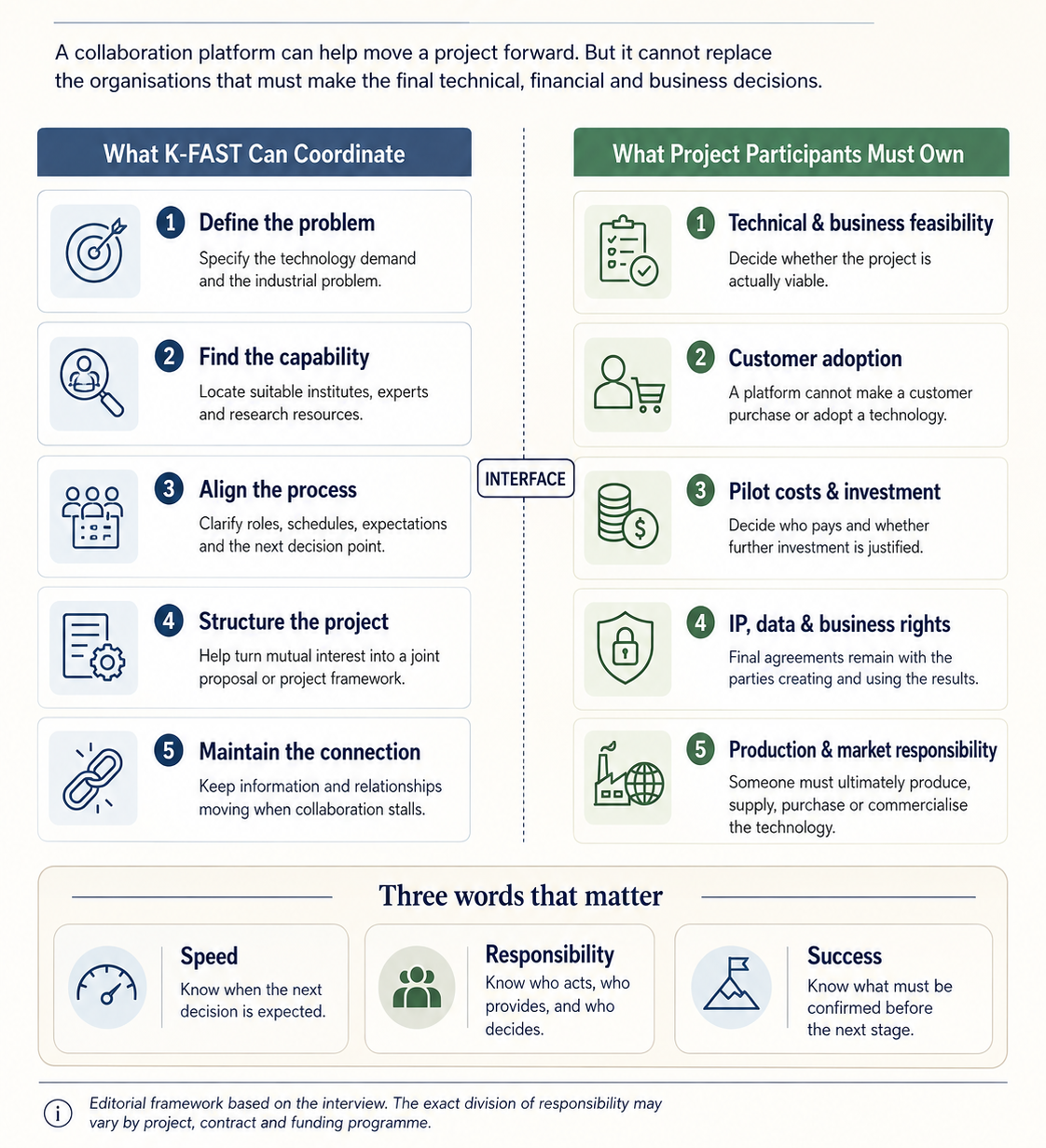
K-FAST can help design the bridge and coordinate the traffic across it.
It cannot stand in for the parties that will actually test, produce, purchase and supply the technology over the long term.
And that limit is not a weakness of the interface.
It is what makes the interface useful.
The value of a collaboration platform is not that it solves every problem.
It is that it makes clear which problem belongs to whom — and brings the necessary parties in at the right time.
How Far Did the Connection Move?
International collaboration is easy to count: events held, institutions connected, MOUs signed.
But the more meaningful question is what happened after the connection.
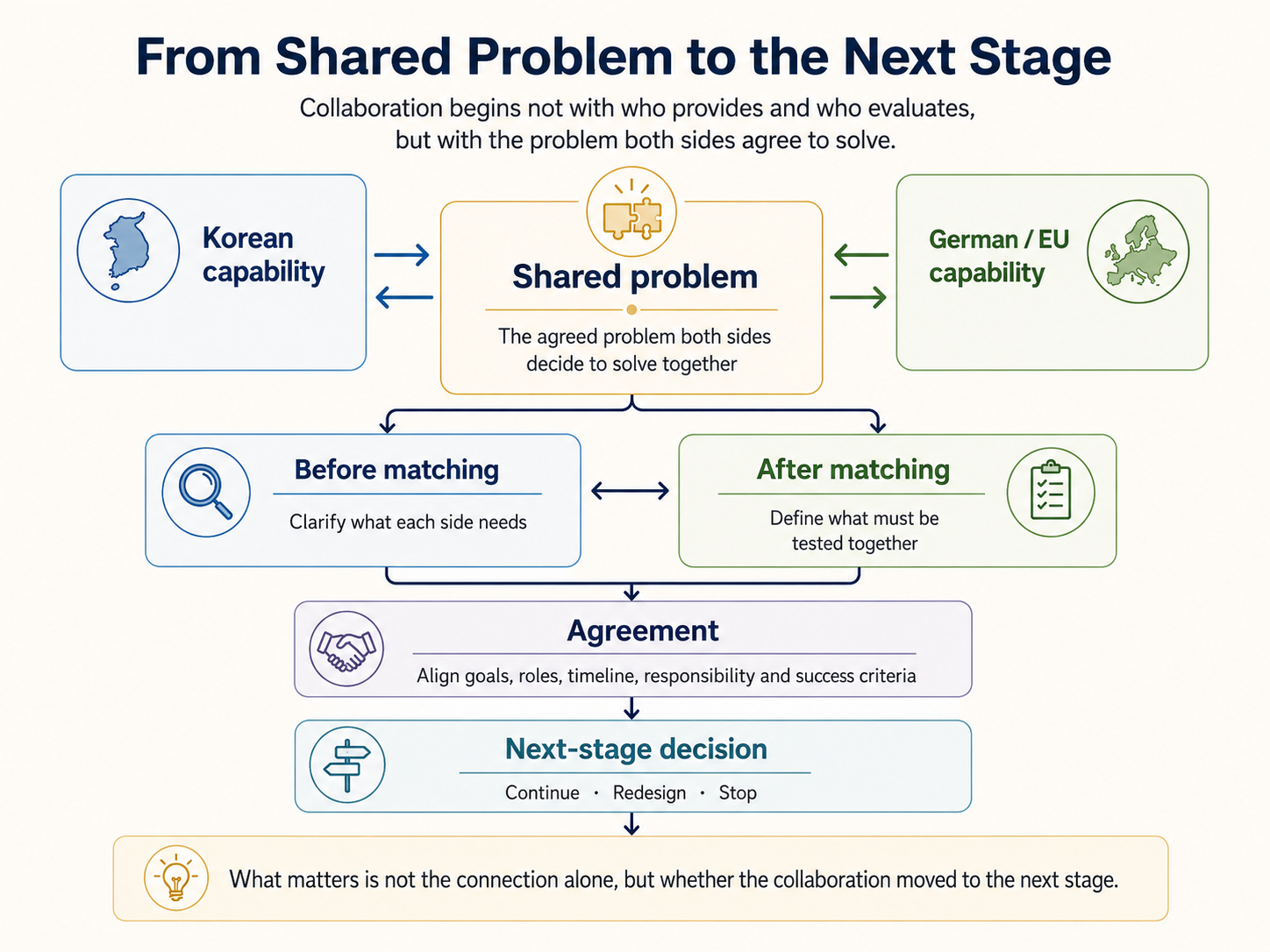
“What matters is how far a single connection has converted into the next stage. The key indicator of performance is not ‘how many connections were made’ but ‘how far the connected technology has travelled’.”
Not every connection needs to end in a contract.
A decision to continue, redesign or stop can all be useful outcomes — if the parties know which stage they reached, what was learned, and what is needed for the next decision.
From Translation to Evidence
A bridge can bring two organisations into the same conversation.
But collaboration begins only when they agree on the problem, understand what each side must contribute, and know what should happen next.
Good technology alone is not enough.
Finding the right partner is not enough.
What moves collaboration forward is a shared structure for judgement, responsibility and the next decision.
A bridge can seat two laboratories at the same table. It cannot, by itself, make them trust the same result.
EDITORIAL NOTE
About This Reporting
Interview basis, editorial treatment and sources
Read
Close
This article is based primarily on a written interview with Dr. Taeyoung Han.
The startup case described in the interview has been anonymised so that neither the company nor the project can be identified. K-Welle has not independently verified the company or project.
The interviewee’s experience and judgements are presented either as direct quotations or as attributed statements.
Quotations were translated from the Korean written interview. The interviewee reviews the final text, including translated quotations, before publication.
Quotations have been edited only for rhythm, clarity and typography, without changing their meaning.
The frameworks used in this article — including what to prepare and what to validate together, what K-FAST coordinates and which decisions need a separate owner, and the concept of a collaboration-ready state — are K-Welle’s editorial analysis based on the interview and comparative materials.
They are not an official K-FAST protocol and are not presented as Dr. Han’s direct proposals.
Biographical details, references to The Collaboration Equation, career project figures and information on K-FAST-connected Fraunhofer institutes are based on information confirmed in the July 2026 interview and are subject to final confirmation with the interviewee before publication.
Partner organisations facilitated access but had no editorial role.
- Written interview with Dr. Taeyoung Han K-Welle · July 2026
- K-FAST Official materials
- Fraunhofer IKTS Strengthening German–Korean Cooperative Research
- European Commission Horizon Europe Model Grant Agreement
- Eurostars Consortium Agreement guidance
- Fraunhofer institutes Selected feasibility study service examples